
How Lifelong Learning Supports Brain Health as You Age
September 11, 2026Lifelong learning has been scientifically shown to support brain health. The best part? It doesn’t have to feel like “learning” at all. It can simply be part of living a vibrant, engaged life. Here’s what lifelong learning can look like:
Exploring New Ideas
Travel, lectures, cultural events, and new experiences all keep the mind engaged.
In today’s elevated senior living communities, culture is an in-demand amenity. Residents enjoy TED-style talks on art, photography, history, current events, and wellness, along with curated outings to museums, performing arts venues, botanical gardens, and local landmarks. Every new experience invites the brain to make fresh connections.
Developing New Skills
Retirement is the perfect time to revisit lifelong passions—or discover entirely new ones.
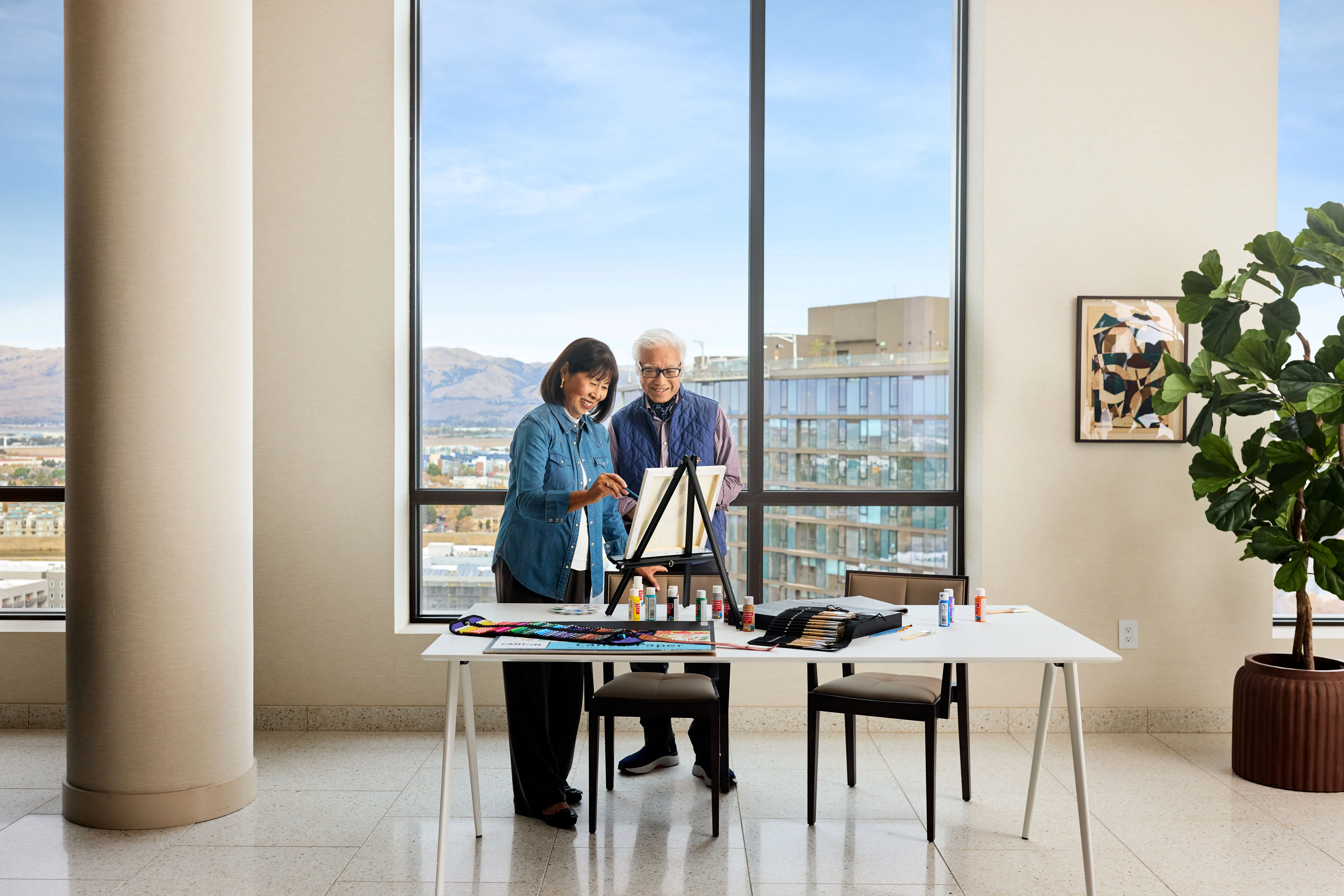
From Mahjong and memoir writing to chef-led culinary demonstrations, wine tastings, painting, and technology classes, trying something unfamiliar challenges the brain in healthy ways. You won’t love every activity you try, but every new experience strengthens cognitive flexibility and keeps your mind engaged.
Learning Alongside Others
Learning is even more powerful when it’s shared.
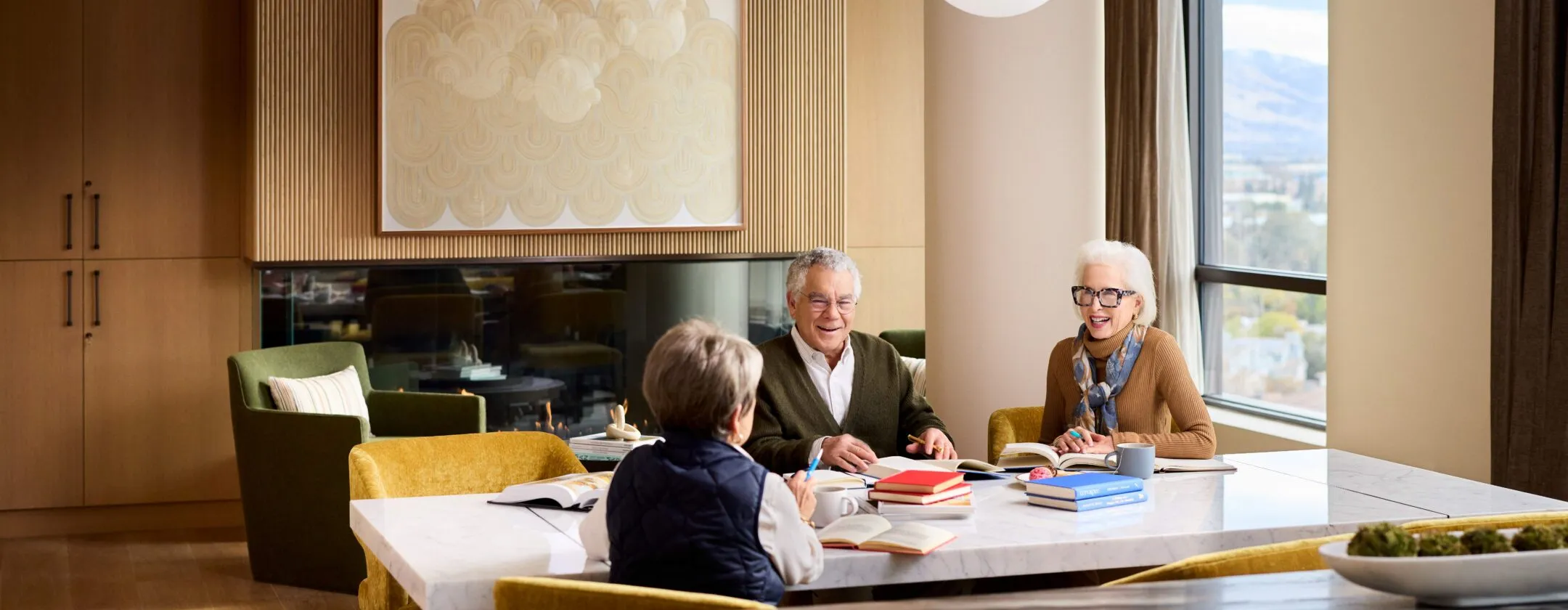
Book clubs, discussion groups, art classes, and workshops combine mental stimulation with meaningful social connection—two of the most important ingredients for long-term brain health. When you’re learning, laughing, and exchanging ideas with others, your brain is working on every level.
Being Curious
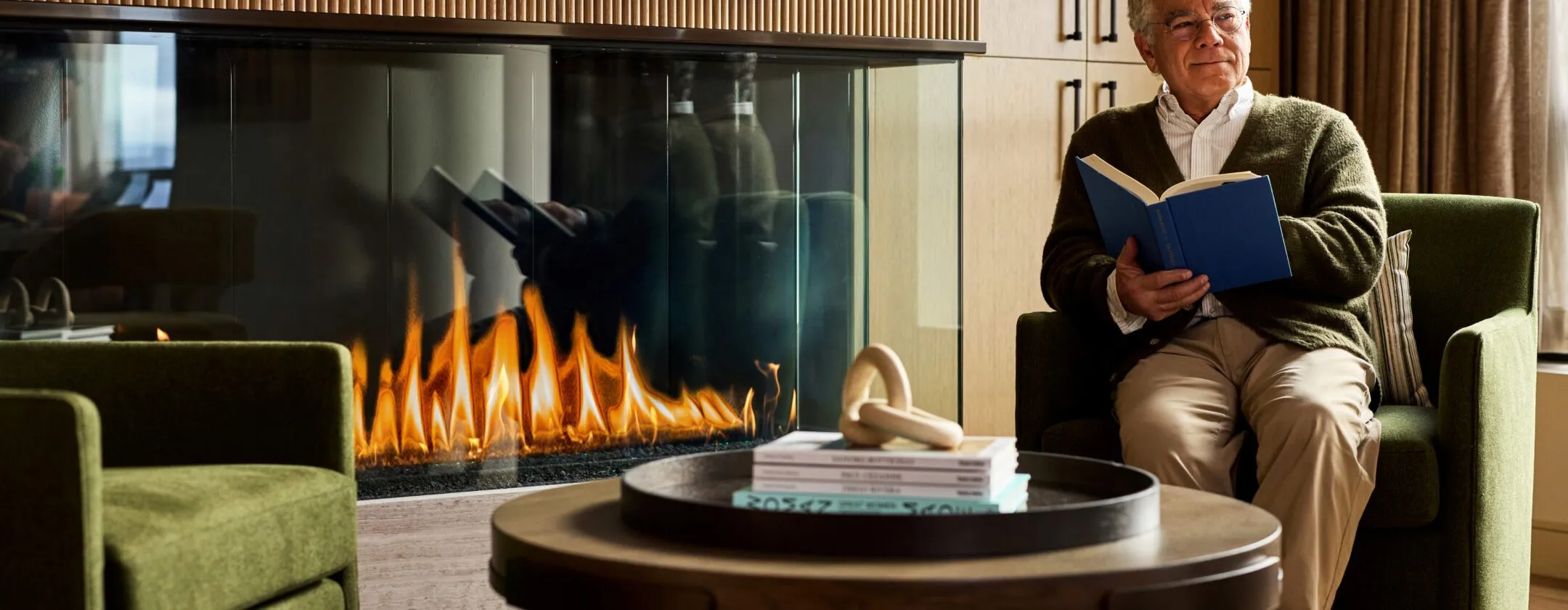
One of the greatest gifts you can give your brain is curiosity.
It’s easy to settle into familiar routines, but research consistently shows that the brain thrives on novelty and challenge. Neurologists often describe brain health with a simple phrase: use it or lose it. The encouraging news is that it’s never too late to learn something new. Every book you read, conversation you have, class you attend, or skill you develop helps build a healthier, more resilient brain—proving that some of the best years for learning are still ahead.