How to Safely Start a New Fitness Routine Later in Life
January 5, 2026Starting a new fitness routine later in life can feel intimidating, but it doesn’t have to be. The truth is, movement at any age can meaningfully improve how you feel, function, and enjoy everyday life. Whether you’re returning to exercise after a long break or trying something new for the first time, a safe, thoughtful approach makes all the difference.
Why Working Out Is Important for Seniors
Regular physical activity is one of the most powerful tools for healthy aging. For older adults, exercise helps:
- Maintain strength, balance, and mobility
- Reduce the risk of falls and injuries
- Support heart health and circulation
- Improve mood, energy, and cognitive function
- Preserve independence and confidence in daily activities
Even gentle movement, done consistently, can improve quality of life and help you stay active and engaged longer.
Don’t Be Intimidated—It’s Never Too Late to Start
One of the biggest barriers to exercise later in life is the belief that it’s “too late” or that everyone else is already ahead. In reality, fitness is not a competition, and there is no age limit on beginning.
You don’t need to move fast, lift heavy weights, or follow complex routines. What matters most is starting where you are today and progressing at a pace that feels right for your body. Many people find that beginning later in life brings greater mindfulness, patience, and appreciation for movement than ever before.
Fitness Does Not Need to Be Expensive
Getting active does not require a gym membership, special equipment, or expensive classes. Some of the most effective exercises are completely free:
- Walking indoors or outdoors
- Chair exercises
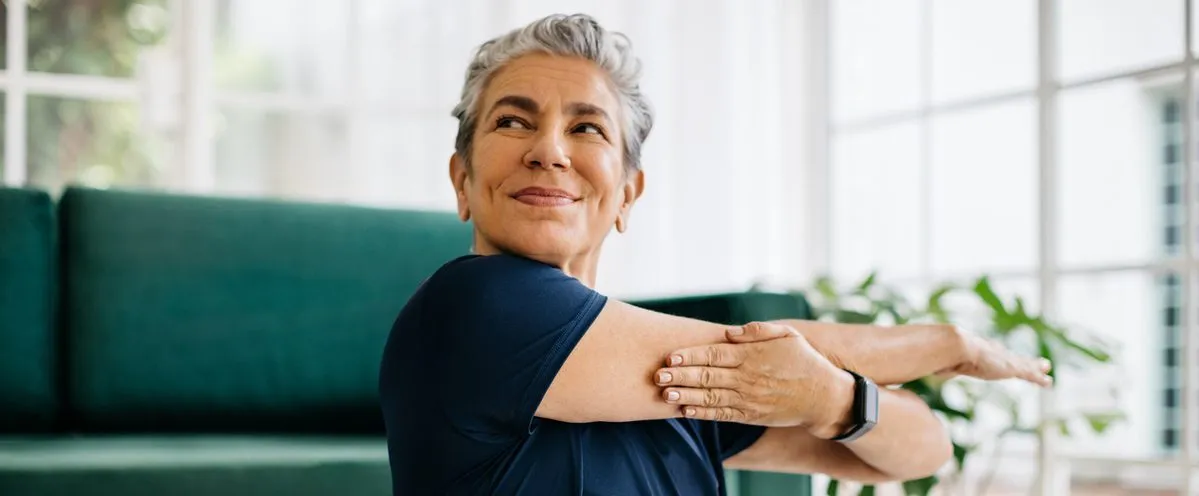
- Stretching and gentle mobility work
- Bodyweight movements like sit-to-stands or wall push-ups
Comfortable clothing, supportive shoes, and a safe space to move are often all you need. If you choose to add equipment later, simple items like resistance bands can be inexpensive and effective, but they’re optional, not required.

The First Steps in Getting Started
Starting safely is about simplicity and consistency:
- Check in with your doctor if you have health concerns or haven’t exercised in a while.
- Start small. Even 5–10 minutes of movement is a great beginning.
- Choose activities you enjoy, such as walking, stretching, or light strength work.
- Focus on form and comfort, not intensity.
- Listen to your body. Mild soreness is normal; pain is not.
- Build gradually, adding time or movement as you feel stronger.
Most importantly, celebrate progress—no matter how small. Every step, stretch, or movement is a meaningful investment in your health. Consider rewarding yourself with an item you’ve had your eye on or a celebratory lunch with a friend after consistently working out for one month – that’s a major accomplishment!
Your interest in this topic is proof that you’re serious about your health and longevity, and that’s more than half the battle. Take control of your physical and emotional health in this brand new year with small steps and an open mind – we’re cheering you on.